
KY-139 A Comprehensive Guide to Corn Management in Kentucky

This handbook provides information on all aspects of corn management, including planting, fertilization, weed management, pest management, harvest and storage.
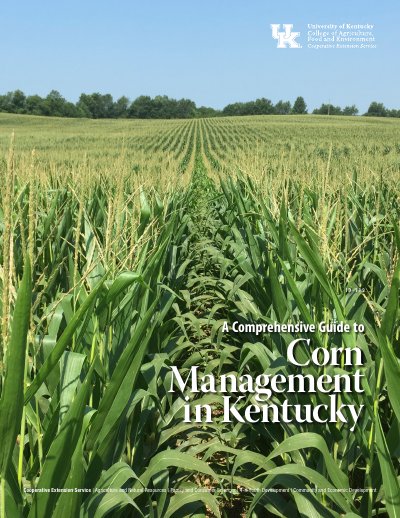

KY-139 A Comprehensive Guide to Corn Management in Kentucky - cover page
Category
Agricultural Machinery
Document type
Other
Language
English
Pages
108
File format
PDF
File size
61.4 MB
Published
26 October, 2023
Updated
26 October, 2023
MD5 checksum
6D63F90F4FD330D79C45274F03A308B1

About this manual

This publication serves as a comprehensive guide to corn management practices specifically for Kentucky. It covers the full lifecycle of the crop, from historical context and biological development to modern hybrid selection and field management strategies. The guide is designed to help growers achieve high yields and a return on investment by incorporating research from the University of Kentucky and other institutions.

What's inside

  • Introduction
  • Corn History
  • Corn Growth and Development
  • Hybrid Selection
  • Crop Management
  • Irrigation Principles
  • Fertility Program
  • Weed Management
  • Corn Diseases
  • Insect Pests

Frequently asked questions

What is the primary genetic source for modern corn hybrids?

Dent corn is the primary genetic source for modern corn hybrids.

How tall does a single corn plant grow within recommended populations?

A single plant from a corn hybrid grows 7 to 9 feet tall.

How many kernels or seeds does a corn plant produce?

A single plant produces one ear with about 450 to 600 kernels or seeds.

Download PDF (61.4 MB)

Also Manuals