
ARM Architecture System Design Examples Manual

This manual covers ARM architecture basics, minimum system design using the S3C4510B processor, and embedded operating system design.
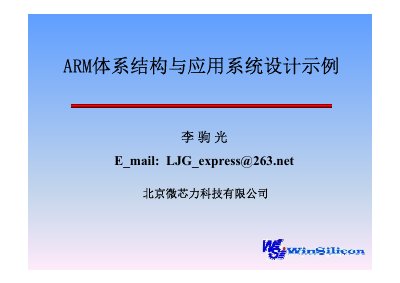

ARM Architecture System Design Examples Manual - cover page
Brand
ARM
Category
microcontrollers
Document type
User Manual
Language
Chinese
Pages
51
File format
PDF
File size
762 KB
Published
23 October, 2026
Updated
23 October, 2026
MD5 checksum
E6E0F5ABA172A60B61F46D302954A464

About this manual

This document provides a comprehensive introduction to the ARM architecture system, defining fundamental concepts such as words, half-words, and bytes. It details the ARM processor series, including the ARM7, ARM9, and ARM10 families, and explains the differences between ARM and Thumb execution states. This manual is written in Chinese.

What's inside

  • ARM Processor Series
  • ARM System Structure Basics
  • Processor Working States
  • Memory Formats
  • Register Groups
  • Exception Handling Mechanisms
  • Embedded Operating System Design
  • uClinux Kernel Compilation

Frequently asked questions

What tool is used to compile the uClinux kernel source code?

The ARMGCC compiler is used to compile the kernel source code into executable code for a specific platform.

How is the compiled kernel file transferred to the storage device?

The file is written to the Flash storage device using a JTAG debugger, such as the Micro-Force ARM JTAG debugger.

Download PDF (762 KB)

More ARM Manuals


View all ARM manuals →