
This guide will introduce you to why and how you should safety test your electrical products prior to shipment.
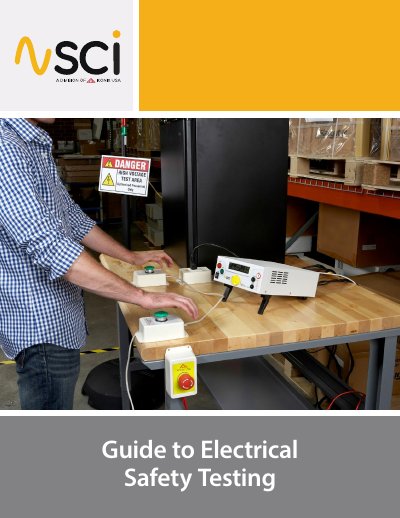
This document explains the importance of electrical safety testing for manufacturers to prevent hazards and product recalls. It covers NRTL standards, insulation classifications (Class I and Class II), and the effects of electrical current on the human body. It also details operator safety protocols, including PPE requirements, approach distances, and safe workstation setup with features like E-stop buttons and safety enclosures.
The guide emphasizes the need for qualified operators, proper training, and adherence to safety procedures to avoid injury during high-voltage testing. It includes practical setup tips for test stations, including the use of non-conductive workbenches, insulation mats, and dual remote palm switches to ensure operator safety during testing. This manual is written in Chinese.
To ensure safety, detect workmanship defects, control costs, and prevent liability.
Class I products use basic insulation and grounding, while Class II products use double insulation without grounding.
High voltage gloves, safety glasses, a hard hat, and high voltage boots are required for protection from shock.
The E-stop button immediately cuts off power to the entire test station in case of an emergency.