
This document introduces the significance of electrical safety testing and the reasons for performing electrical safety testing.
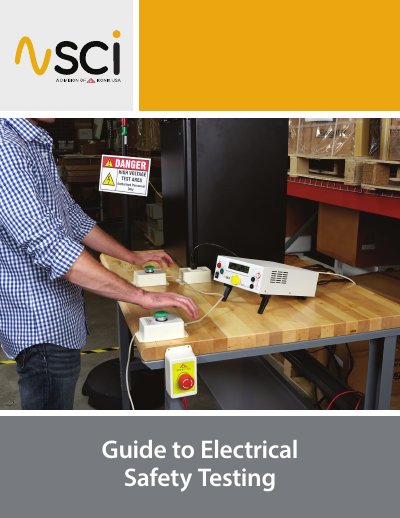
This guide explains why electrical safety testing is essential for product safety, quality, cost control, and liability prevention. It covers operator safety training, including hazard recognition, PPE requirements, and safe workstation setup. It also details test station configurations, safety interlocks, and protective measures like dual remote palm switches and insulation mats to prevent electric shock during high-voltage testing.
The document includes safety standards from NRTLs (UL, TUV, CSA, ETL, CCC), OSHA guidelines for high-voltage training, and NFPA 70E requirements for approach distances and personal protective equipment. It emphasizes the importance of not taking shortcuts and using proper procedures to ensure operator safety during electrical safety tests.
To ensure the product is not hazardous to the end user, detect workmanship defects, control costs by identifying production problems early, and prevent product liability suits.
Type Test (laboratory or prototype test) detects design defects, while Production Line Test (100% of products) detects manufacturing defects.
High voltage gloves, safety glasses, a hard hat, and high voltage boots are common examples of required PPE.
The restricted boundary is 2 feet 2 inches.