
Gliclazide sustained-release tablets are an oral anti-diabetic drug used to treat adult type 2 diabetes. It can be used alone or in combination with metformin, alpha-glucosidase inhibitors or insulin.
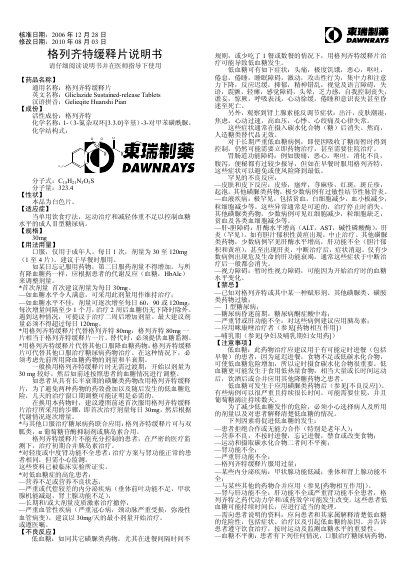
This document provides instructions for the use of Gliclazide Sustained-release Tablets, including dosage guidelines for adults with type 2 diabetes. It outlines contraindications, such as type 1 diabetes or severe liver/kidney impairment, and lists potential adverse reactions, including hypoglycemia and gastrointestinal issues. The product is indicated for use when diet, exercise, and weight loss are insufficient to control blood glucose levels.
The leaflet advises patients to take the medication with breakfast and adjust dosage based on blood glucose and HbA1c levels. It also includes warnings about drug interactions and special precautions for patients with renal or hepatic impairment, or those at risk for hypoglycemia. This manual is written in Chinese.
| Active Ingredient | Gliclazide |
|---|---|
| Chemical Name | 1-(3-Nitrogenous Bicyclo[3.3.0]octyl)-3-p-tolylsulfonamide |
| Molecular Formula | C15H21N3O3S |
| Molecular Weight | 323.4 |
| Dosage Form | Tablets |
| Strength | 30mg |
The recommended starting dose is 30mg once daily, preferably with breakfast.
Yes, it can be used in combination with other oral antidiabetic drugs such as biguanides or alpha-glucosidase inhibitors, but requires careful monitoring.
It is contraindicated in type 1 diabetes, diabetic coma, severe liver or kidney impairment, and during breastfeeding.