
This kit is used for the quantitative detection of bacterial endotoxins in vitro, including bacterial endotoxin working materials, horseshoe crab reagent, chromogenic matrix, azo dye 1, azo dye 2, azo dye 3, HCl (reaction terminator), bacterial endotoxin inspection water, etc.
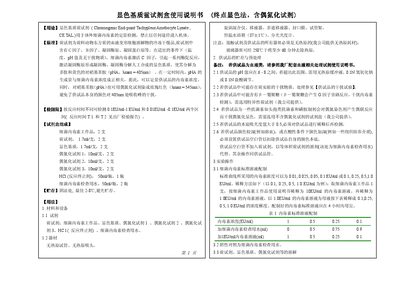
The kit provides a chromogenic end‑point assay (CETAL) for quantitative detection of bacterial endotoxin. The principle relies on endotoxin‑activated C‑factor converting a synthetic chromogenic substrate into a yellow product (PNA) measured at 405 nm, with an optional color‑change step at 545 nm to avoid sample colour interference.
The manual details kit components, storage conditions, sample preparation, step‑by‑step experimental procedures, data processing, and interference testing, along with the manufacturer’s contact information. This manual is written in Chinese.
| Storage temperature | 2 °C – 8 °C, protected from light |
|---|---|
| Sample pH range | 6 – 8 |
Store the kit in a cool place at 2 °C – 8 °C and keep it protected from light.
Adjust the sample pH to between 6 and 8.
The dissolved chromogenic substrate can be stored at 4 °C for up to 8 hours.