
Daboshu Injection is a 100 mg/10 ml vial of Sintilimab for intravenous infusion, with dosage, preparation, and safety information.
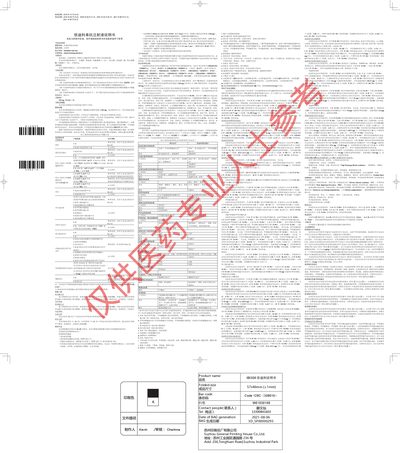
Daboshu (Sintilimab) Injection is a recombinant fully‑human anti‑PD‑1 monoclonal antibody supplied as a clear to slightly milky, colorless to pale‑yellow liquid. Each vial contains 100 mg of active ingredient in 10 ml of solution and is intended for intravenous infusion under physician supervision.
The label provides detailed instructions on dosage (200 mg IV every 3 weeks), preparation (do not shake, bring to room temperature, dilute with 0.9 % NaCl), contraindications (allergy to the active ingredient or excipients), and comprehensive safety information including adverse‑reaction management and special‑population considerations. This manual is written in Chinese.
| Strength | 100 mg per 10 ml vial |
|---|---|
| Active ingredient | Sintilimab (recombinant fully human anti‑PD‑1 monoclonal antibody) |
| Form | Clear to slightly milky, colorless to pale‑yellow liquid |
The recommended dosage is 200 mg administered by intravenous infusion once every 3 weeks until disease progression or unacceptable toxicity.
Patients who are allergic to the active ingredient or any of the excipients must not use the product.
Common adverse reactions (≥ 10% incidence) include anemia, fever, thyroid function abnormalities, elevated AST/ALT, proteinuria, rash, low albumin, decreased appetite, hyperglycemia, elevated γ‑GT, elevated bilirubin, lung infection, low potassium, and neutropenia.