
Monarch Solicitors Extending the Lease Flat Owners Guide

The document describes how to extend the lease period.
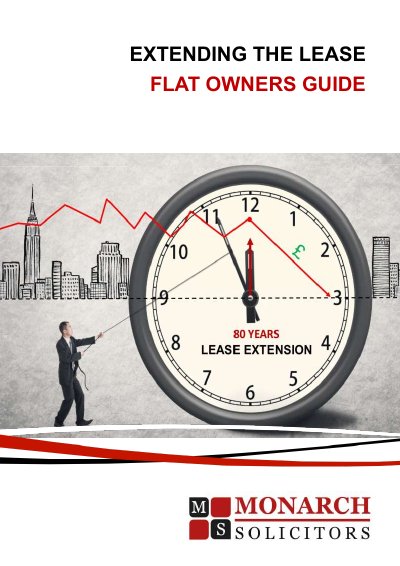

Monarch Solicitors Extending the Lease Flat Owners Guide - cover page
Brand
Monarch Solicitors
Category
Other
Document type
Other
Language
English
Pages
15
File format
PDF
File size
1.2 MB
Published
16 November, 2023
Updated
16 November, 2023
MD5 checksum
31250D093184855010F796337BC4194F

About this manual

This guide explains lease extension for flats under the Leasehold Reform, Housing and Urban Development Act 1993. It compares the voluntary route with the statutory route, including advantages and disadvantages.

It also covers qualification criteria, transferring the right to extend, price and valuation, the 80-year trap, and the statutory procedure after serving a Section 42 Notice of Claim.

What's inside

  • The Voluntary Route
  • The Statutory Route
  • Advantages and Disadvantages
  • Qualification Criteria
  • Transferring the Right to Extend
  • Price & Valuation
  • The 80 Year Trap
  • Valuation Report
  • The Statutory Procedure

Frequently asked questions

How long can the statutory lease extension process take?

From the service of the Tenant's Notice, the process can take 6-9 months.

What happens when a lease has 80 years or less remaining?

The lease extension premium attracts a marriage value, and 50% of that marriage value is included in the premium.

What term is added under the statutory route?

Qualifying leaseholders can extend their lease by an additional 90-year term.

Can a seller start the statutory process before selling?

A seller may be able to serve the statutory Section 42 Notice of Claim and then transfer its benefits and responsibilities to the buyer.

Download PDF (1.2 MB)