
This document is a guide to community ecotourism. It introduces the concept of community ecotourism and provides advice on how to set up and manage a community ecotourism project.
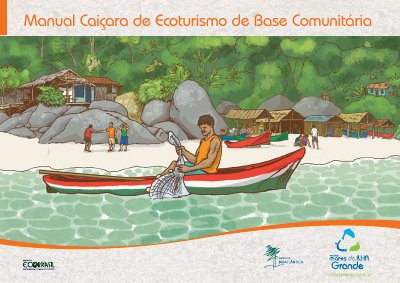
This manual is designed for traditional Caiçara communities in the coastal regions of Paraná, São Paulo, and southern Rio de Janeiro. It explains the concept of community-based ecotourism, where the local community organizes and provides services to visitors, such as guiding, fishing trips, and cultural experiences like visiting flour houses or fishing nets.
The document addresses the challenges and opportunities of tourism, including potential negative impacts like environmental degradation and cultural disruption. It provides practical advice on how to attract the right type of tourists, manage visitor expectations, and ensure sustainable practices that benefit the community economically and culturally. This manual is written in Portuguese.
It is the type of tourism where the community organizes and provides services to visitors, such as working as a local guide, taking them fishing, or offering accommodation and food.
They are traditional communities located in the coastal regions of Paraná, São Paulo, and southern Rio de Janeiro, whose way of life is based on family farming, small-scale fishing, and handicrafts.
Tourists want to know how to get to the community, where to sleep and eat, what activities are available, and if the location is safe regarding disease, accidents, or theft.
The majority of Brazilian tourists travel during the summer.