
This instrument uses optical principles to professionally measure the salt content in water samples and food, and is widely used in the food, beverage, and agricultural product processing industries.
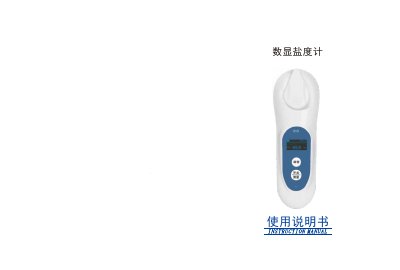
The Lohand LH-SA28 is a digital salinometer that uses an optical principle to measure salt content in water samples and foods for the food, beverage, and agricultural processing industries. It has no moving parts, uses a small sample volume, and is powered by two No. 7 dry batteries.
The manual describes instrument structure, measurement steps, zero calibration, precautions, technical parameters, troubleshooting, warranty, and maintenance records. The instrument automatically shuts off after more than 2 minutes of standby and should be used at room temperature. This manual is written in Chinese.
| Sample volume | ≈0.2 mL (3~5 drops) |
|---|---|
| Dimensions | 154 x 52 x 44 mm |
Press and hold the switch/measure key for about one second until the screen displays, then release the key.
Clean the detection slot with pure water, add 3 to 5 drops of sample, close the light shield, then press the switch/measure key or touch the detection point; the displayed value is the salinity result.
Clean the detection slot, add 3 to 5 drops of pure water, then long-press the zero key until the screen shows calibration in progress; release the key and wait for the success message.
The liquid concentration is too high and exceeds the instrument range, so dilute the sample and test again.