
This is a guide to identifying Australian dragonflies
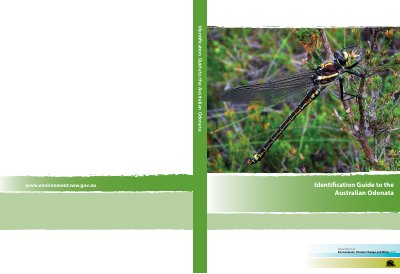
This publication serves as a complete identification guide for the 325 described species of Australian Odonata (dragonflies), covering both adults and larvae where possible. It includes detailed distribution maps for all species to assist in identification and increase confidence in results, particularly for larvae which can be difficult to distinguish. The guide also provides profiles for species of serious conservation concern.
This guide includes 325 described species in 110 recognised genera.
The distribution maps are included to facilitate identifications and increase confidence, particularly for larvae.
The genera treated under Epiprocta include Anisoptera, Lestidae, Austropetaliidae, Hemiphlebiidae, Aeshnidae, Chorismagrionidae, Brachytronidae, Synlestidae, Telephlebiidae, Megapodagrionidae, Lindeniidae, Chlorocyphidae, Gomphidae, Calopterygidae, Petaluridae, Lestoideidae, Synthemistidae, Diphlebiidae, Gomphomacromiidae, Isostictidae, Pseudocorduliidae, Platycnemididae, Cordulephyidae, Coenagrionidae, Austrocorduliidae, Macromiidae, Corduliidae, and Libellulidae.