
This document describes the forage crop options available to lamb, beef, and dairy producers from LG Seeds. These options can help producers reduce feeding costs, extend the grazing season, and provide an excellent break crop.
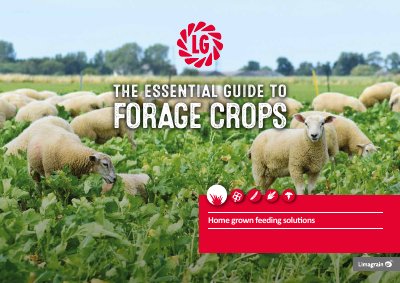
This leaflet from LG Seeds outlines forage crop options for farmers, including fodder beet, kale, turnips, and rape. It details sowing times, yields, and feeding guidelines. It also covers potential health risks like phototoxicity and nitrate poisoning, with advice on safe feeding practices. The guide helps farmers choose crops to reduce feed costs and extend grazing seasons.
| Sowing Time | March - April |
|---|---|
| Sowing Rate per Hectare | 100,000 seeds |
| Growing Costs per Hectare | £1,452 |
| Fresh Yield | 80 - 100 tonnes per hectare |
| Dry Matter Yield | 15 - 18 tonnes per hectare |
| Crude Protein % | 12 - 13% |
| ME MJ per Hectare | 162,500 - 202,500 |
The recommended inclusion rate should be between 35 - 50% of total dry matter intake.
Recommended inclusion rates should be between 35% and 50% of total dry matter intake.
Providing a dry run back will keep the animals clean.
The Lucerne crop is associated with 3 cuts per year.