
This article introduces the usage and features of a solar-powered watch. The watch does not require regular batteries and is powered by converting light energy into electricity. It has special functions such as low battery alarm, quick start, and overcharging prevention. It also provides information about charging batteries and charging time.
The watch is powered by a special solar cell that converts light into electricity and stores it in a non‑replaceable rechargeable battery. For optimal performance the watch should be exposed to light daily; a full charge can keep it running for about six months.
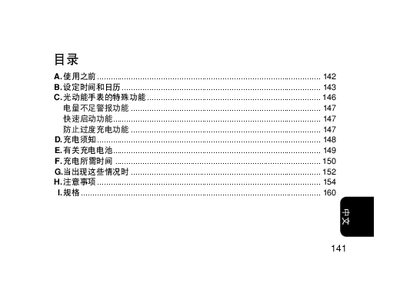
The manual covers initial use, time and calendar setting, special functions such as low‑battery alert, quick‑start mode, and over‑charge protection, as well as charging precautions and periodic maintenance recommendations. This manual is written in Chinese.
| Monthly time deviation | +15 seconds (5 °C – 35 °C) |
|---|---|
| Oscillator frequency | 32,768 Hz |
| IC type | CiMOS‑LSI (1 unit) |
| Operating temperature range | -10 °C – +60 °C |
| Battery life after full charge | ≈ 6 months of continuous operation |
| Low‑battery alert stop time | ≈ 4 days (2‑second interval) |
| Display options | Hour‑minute‑second; date and weekday for calendar models |
Pull the crown out to the second position until you hear a click, rotate the crown to adjust the time, then push the crown back to its normal position.
A fully charged watch will operate for about six months without additional charging.