
This document introduces the testing process of the cylinder pressure gauge ADD621, which is part of the automotive digital diagnostic tools series produced by Beijing Edensun Technology Co., Ltd. The document provides detailed steps for using the pressure gauge to test cylinder pressure and analyzes the test results. The test can determine the working condition of the cylinder and identify potential issues.
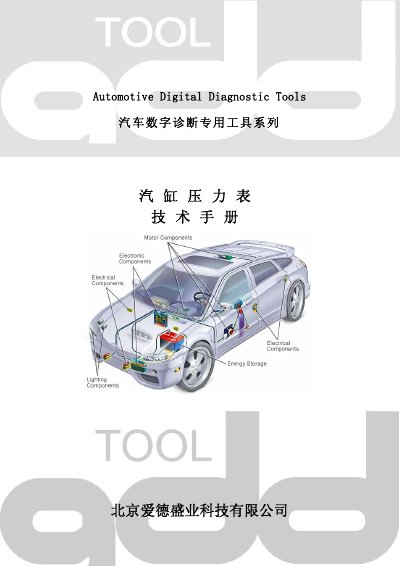
This manual describes the use of the ADD621 cylinder pressure gauge, a tool for automotive digital diagnostic applications. It explains how to install the gauge, prepare the engine, and perform pressure measurements on each cylinder.
The document provides a step‑by‑step testing process, safety precautions, and guidance on interpreting the pressure readings to identify issues such as valve leakage, carbon buildup, or damaged pistons. This manual is written in Chinese.
| Product | Cylinder Pressure Gauge |
|---|
Start the engine for at least ten minutes or until it reaches normal operating temperature before beginning the pressure test.
A low reading or large variation between cylinders may indicate a faulty valve; adding a small spoon of SAE30 oil and retesting can help confirm the issue.
It suggests a possible problem with the cylinder gasket, such as water, coolant, or oil between the cylinders.