
Key facts
- Manuals
- 1
- Languages
- ZH
- Last added
- 2023-11-17
Featured myFace manuals
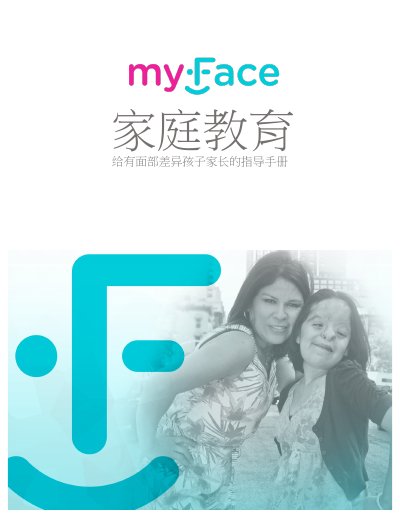
myFace Family Education Guide for Parents of Children with Facial Differences
The guide addresses challenges parents face when raising a child with a facial difference, organized by the child's developmental stages from infancy through young adulthood. It provides age-specific advice on psychological adaptation, discussing the condition with the child, and handling social situations like teasing.
It also offers practical steps for preparing a child for medical treatment and surgery, including coordinating with the craniofacial team (surgeons, psychologists, social workers, child life specialists), scheduling procedures to minimize disruption, preparing siblings, and managing post-surgical emotional and communication changes. This manual is written in Chinese.
Covers: Introduction · Developmental Stages and Coping · Talking to Children About Facial Differences · Guidelines for Discussing Facial Differences · Preparing for Medical Treatment and Surgery
Latest myFace manuals
myFace Family Education Guide for Parents of Children with Facial Differences
Other 11 pages · 1.9 MB · ZHA guide from myFace helping parents of children with facial differences navigate psychological adaptation, communication, and coping strategies across…
Questions answered in myFace manuals
How should parents talk to young children about facial differences?
Use age-appropriate, non-medical language such as 'birthmark' or 'beauty mark' and explain that doctors will help.
From: myFace Family Education Guide for Parents of Children with Facial Differences
How can parents help children cope with teasing?
Encourage children, teach them how to respond to teasing, and help them develop interests and skills to build confidence.
From: myFace Family Education Guide for Parents of Children with Facial Differences